Transforming Wildfire Alerts with AI: How Watch Duty Utilizes Gemini
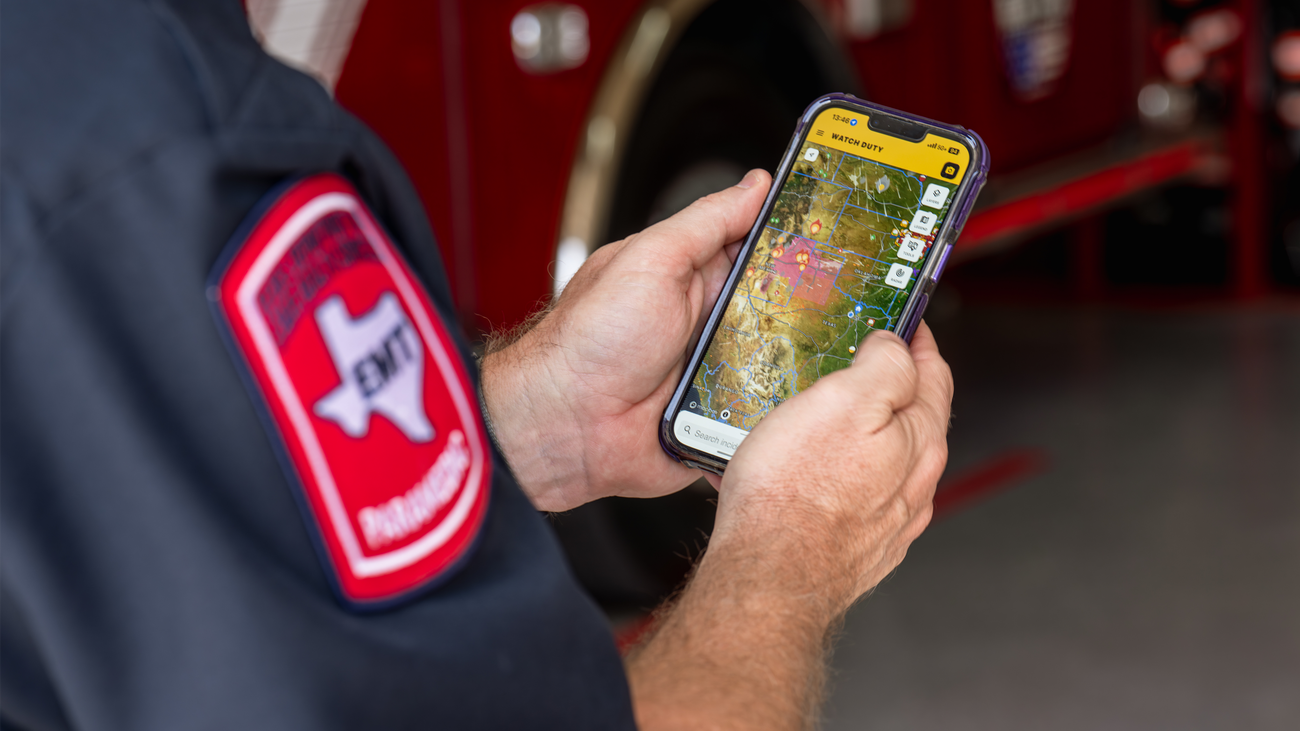
In an era where timely information can save lives, Watch Duty, a nonprofit wildfire alert application, has taken a significant leap forward by integrating a Gemini-powered tool. This innovative solution, developed with the support of a Google.org Fellowship, turns chaotic fire radio signals into real-time text, enabling the organization to identify new wildfire dispatches in under 30 seconds.
The Challenge of Traditional Fire Radio Communication
Wildfires pose a serious threat, and the speed of information dissemination is critical. Unfortunately, across many regions, alerts about new fires are still communicated through outdated analog VHF radio systems. These systems are often plagued by engine noise, wind interference, static, and complex firefighting jargon, making it difficult for responders to glean essential details quickly.
Watch Duty’s dedicated reporters typically monitor up to 20 radio feeds, which can be a daunting task amidst the noise. The challenge is not just about hearing the dispatches; it’s about accurately interpreting them and relaying crucial information to the public in a timely manner.
How the Gemini Tool Works
In a collaborative effort that spanned six months, a team of Google engineers and researchers embedded themselves with Watch Duty to develop the Gemini tool. Utilizing over 20,000 hours of past radio recordings, they created a system that effectively filters out static and translates complex firefighting terminology into clear, searchable text.
The result? A significant increase in volunteer reporter satisfaction with radio transcription tools, which soared from 35.3% to an impressive 92.3%. This transformation allows volunteers to concentrate on verifying incidents rather than deciphering unclear audio.
Real-World Impact: The Railroad Fire Incident
The efficacy of the Gemini-powered tool was put to the test during the Railroad Fire in July 2026. As the fire ignited at night, the first 911 dispatch was buried in static. Thanks to the new AI tool, the dispatch was transcribed and flagged in under 30 seconds, providing Watch Duty with a vital head start.
This early detection was crucial, enabling the team to verify the fire and issue a Critical Alert—an urgent notification that breaks through do-not-disturb settings on devices—allowing residents to evacuate before flames could reach their homes. This incident marked a historic moment for Watch Duty, as it was the first time they had issued a nighttime Critical Alert, demonstrating the profound impact of rapid response capabilities when communities are asleep.
A Vision for the Future
The collaboration between Google and Watch Duty extends beyond the current tool. It represents a multi-year commitment to enhance the life-saving mission of the organization across all 50 states. The ultimate aim is to ensure that when wildfires break out, communities receive timely warnings that allow them to take necessary action.
With the integration of advanced AI technology like Gemini, the future of wildfire alert systems looks promising. The ability to quickly transform noisy radio communications into actionable alerts could mean the difference between safety and disaster for countless individuals.
As we look ahead, the focus remains clear: leveraging technology to enhance emergency response and protect lives during wildfire events.
Source for the original facts: Original source.