Transforming Energy Access in Sub-Saharan Africa with AI and Solar Technology
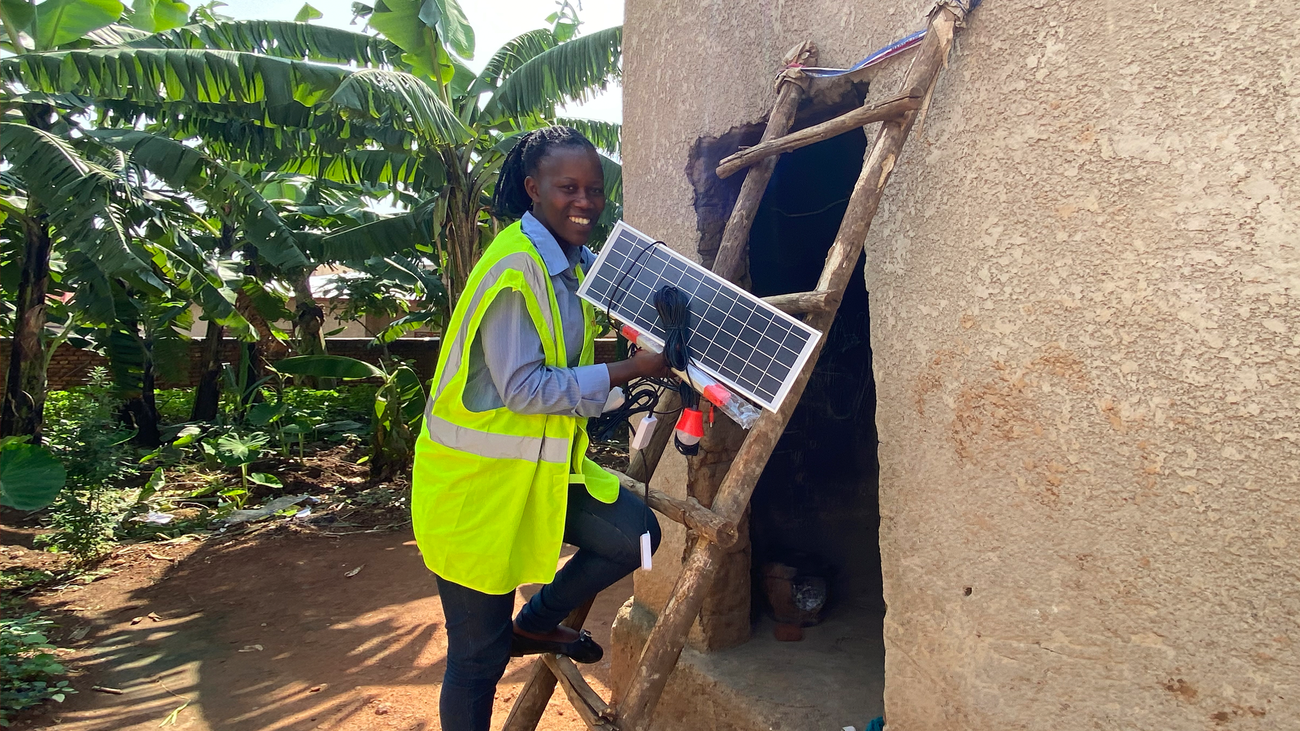
In a groundbreaking initiative, Google has partnered with Ignite Energy Access to tackle one of the most pressing challenges in sub-Saharan Africa: the lack of electricity. With over 600 million people in the region lacking access to reliable energy, many households are forced to rely on expensive and harmful fuel sources like kerosene and candles for basic lighting and cooking.
Innovative Solutions for Energy Access
To bridge the electricity gap, Google and Ignite are leveraging advanced technologies, including satellite imagery and artificial intelligence, to streamline the delivery of solar power solutions. This collaboration has already resulted in significant reductions in carbon emissions, with an estimated 160,000 metric tons of CO2 equivalent emissions cut in just the first half of 2026.
Challenges in Reaching Remote Communities
One of the primary obstacles in providing solar energy to rural households is the difficulty in locating homes that are often not represented on standard mapping platforms. Many of these communities are connected by unmapped dirt paths, making delivery of solar hardware a logistical nightmare.
- Identifying Homes: Google’s team has combined satellite imagery with the Open Buildings dataset to pinpoint unaddressed homes that require energy.
- Optimizing Delivery Routes: Advanced geospatial models are being developed to navigate the rugged terrain of rural areas, ensuring efficient delivery of solar equipment.
- Mapping Existing Installations: Knowing where micro-solar systems are already in place helps identify underserved villages and plan future deployments effectively.
Using AI to Enhance Mapping Precision
To accurately map solar panel installations, Google researchers are creating computer vision models utilizing Gemini for Science. These models are enhanced with ground-truth drone imagery from Ignite, enabling the team to better visualize solar setups from space. By testing thousands of code variations, they aim to improve the precision of satellite data analysis, turning it into a strategic tool for future deployments.
Impact and Future Plans
The partnership has already made remarkable strides, delivering 3.7 million solar devices across the region since 2023. This significant milestone not only aids in reducing carbon emissions but also aligns with Google’s broader goal of helping partners collectively cut one gigaton of carbon-equivalent emissions annually by 2030.
Looking ahead, Google and Ignite are poised to tackle another critical aspect of energy access: clean cooking solutions. As electrification efforts ramp up, the focus will shift towards providing electric cooking alternatives that are both sustainable and accessible to the communities that need them most.
Conclusion
The collaboration between Google and Ignite Energy Access exemplifies how technology can drive sustainable change in regions facing severe energy shortages. By harnessing the power of AI and satellite data, they are not only working to bring clean energy to millions but also paving the way for a more sustainable future in sub-Saharan Africa.
Source for the original facts: Original source.