
Revolutionizing Quantum Computing: Google’s Breakthrough in Magic State Cultivation
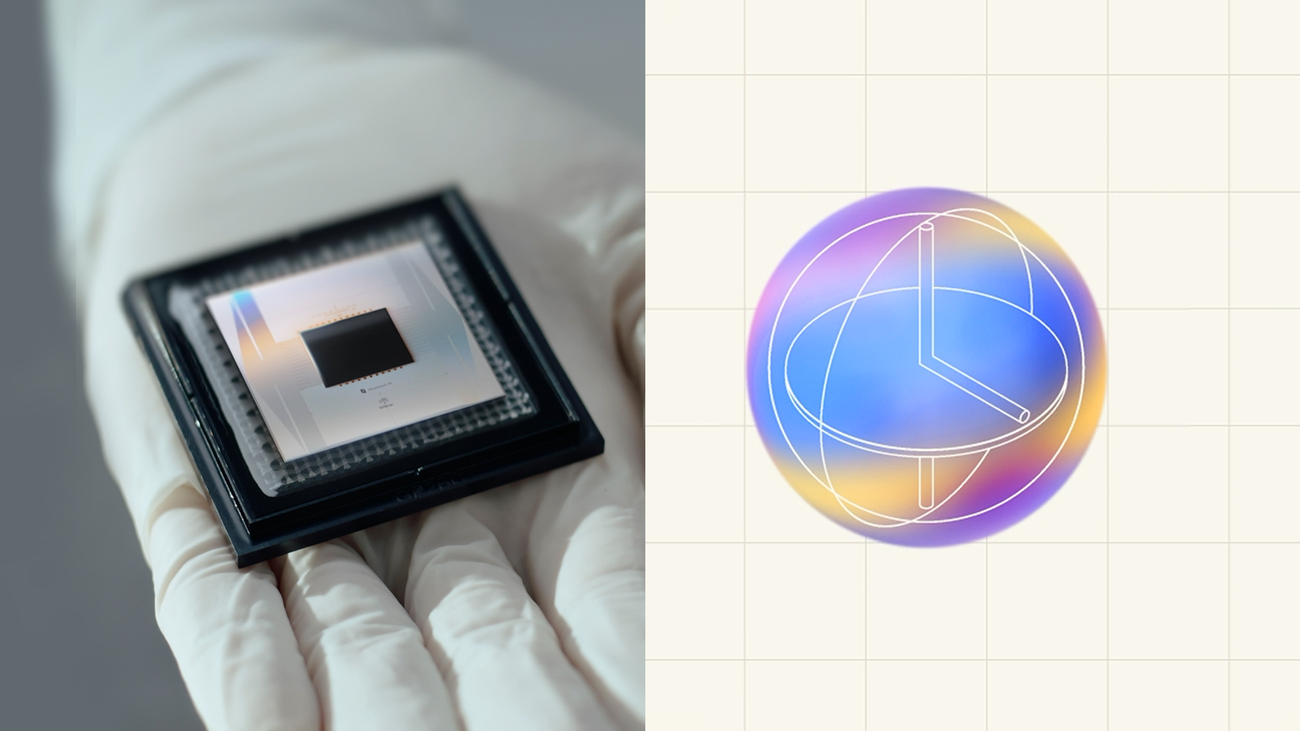
In a significant advancement for quantum computing, Google Quantum AI has successfully demonstrated the viability of magic state cultivation on its Willow processor. This breakthrough, published in the journal Science, addresses a critical bottleneck in the field by achieving a remarkable 40-fold reduction in errors associated with quantum operations.
The Challenge of Magic States
Since the inception of quantum computing research, experts have identified a challenging obstacle: the need for high-quality, error-corrected magic states. These states are essential for executing universal quantum computing operations, enabling the execution of complex programs that surpass classical computing capabilities. However, the creation of these magic states has traditionally been resource-intensive, with estimates suggesting that up to 95% of a quantum computer’s capacity might be required just to produce them.
Introducing Magic State Cultivation
In 2024, a team of researchers at Google Quantum AI, including Craig Gidney, Noah Shutty, and Cody Jones, refined an existing concept known as magic state cultivation. This innovative method acts as a filter, allowing researchers to inject a noisy state into a designated area of a quantum chip. Through a series of coordinated measurements, the team can identify and eliminate flawed attempts, effectively cultivating a purer, low-error quantum state that can be utilized for practical computing tasks.
Technical Innovations and Challenges
The journey to implementing magic state cultivation on Google’s quantum hardware was not without its challenges. One notable instance involved research scientist Emma Rosenfeld, who encountered data that appeared to contradict established physical laws. Through extensive simulations and discussions, the team discovered that an erroneous assumption in their measurement technique was influenced by noise from electrical equipment. To address this, they introduced additional controls to mitigate the noise and developed a new benchmarking method to enhance the accuracy of their measurements.
Achievements and Future Directions
With these innovations, Google Quantum AI established a new benchmark in quantum metrology. The magic state cultivation protocol achieved a record logical fidelity of 99.99% for T-states, marking a significant milestone in the creation of error-corrected magic states. This achievement not only demonstrates the feasibility of magic state cultivation on real hardware but also aligns with theoretical frameworks previously proposed by the research team.
Furthermore, the researchers successfully integrated two different quantum error correction methods: color codes and surface codes. This grafting protocol allows for the transfer of purified states within the quantum system, showcasing the potential for more complex operations in future quantum computing applications.
Looking Ahead
While this breakthrough represents a pivotal step towards practical quantum computing, the team acknowledges that additional work is necessary. Demonstrating magic state cultivation at a larger scale remains a priority, as does overcoming various technical challenges that lie ahead. Nevertheless, this accomplishment is a testament to the ongoing efforts at Google Quantum AI to develop a functional, error-corrected quantum computer capable of tackling problems that are currently deemed unsolvable.
As the landscape of quantum computing continues to evolve, innovations like magic state cultivation will play a crucial role in shaping the future of technology and computational capabilities.
Source for the original facts: Original source.