Enhancing Android Apps with Cloud-Based Agentic Workflows
In the ever-evolving landscape of mobile applications, the integration of intelligent features is becoming a necessity. The latest installment in the “Build intelligent Android apps” series focuses on transforming standard Android applications into personalized, intelligent experiences. This post delves into the development of autonomous in-app agentic workflows that operate in the cloud, a significant leap forward in app functionality.
Understanding Agentic Workflows
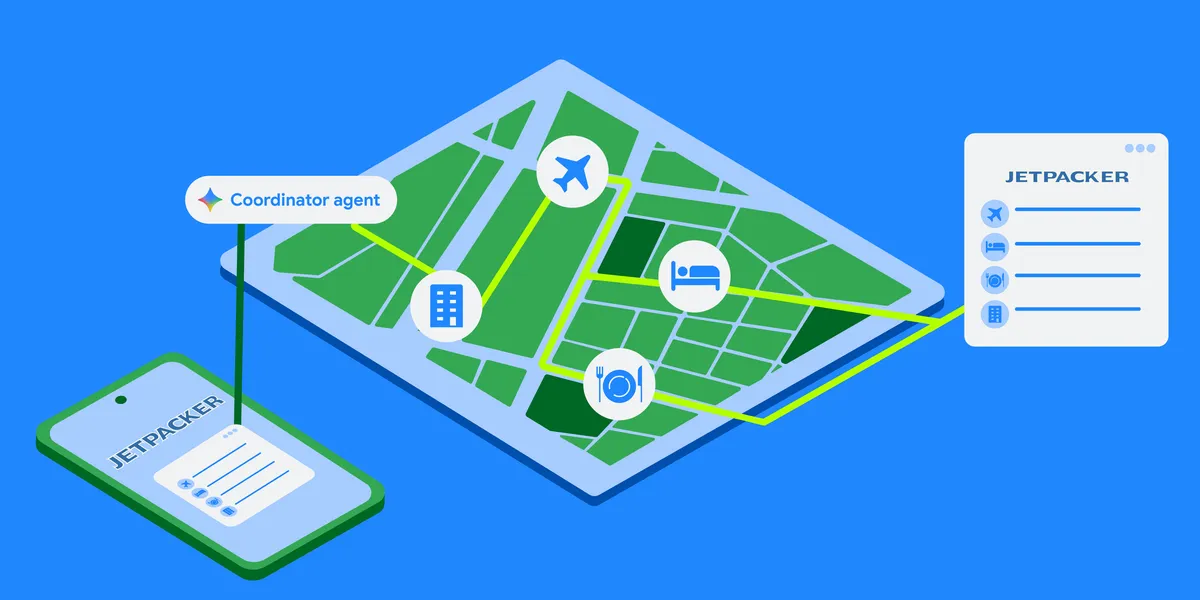
Complex tasks often require more than a single device session to complete effectively. For instance, planning a comprehensive holiday itinerary involves multiple steps: booking flights, selecting hotel accommodations, securing museum tickets, and making restaurant reservations. Attempting to manage these tasks on a mobile device can lead to interruptions, such as app closures that result in lost progress.
To mitigate these issues, developers can utilize a custom self-hosted backend that executes booking agents in the cloud. This backend handles the complexity of multi-step workflows, allowing the Android app to maintain a connection to the ongoing session, visualize progress, and request user input when necessary.
Benefits of a Cloud-Hosted Backend
Leveraging a cloud-hosted agentic backend offers several advantages:
- Improved Reliability: Reduces the risk of losing progress during lengthy tasks.
- Streamlined User Experience: Users can interact with the app without being bogged down by the complexities of backend processes.
- Scalability: Cloud solutions can handle increased loads without compromising performance.
Implementing the Agent Development Kit (ADK)
The integration of a Booking Assistant into applications like Jetpacker showcases how to orchestrate a multi-agent system. This is achieved using the Agent Development Kit (ADK), which simplifies the process of defining agents equipped with Python functions to query databases and execute bookings.
When utilizing ADK, developers can focus on writing clean procedural logic while the framework manages execution steps, conversation context, and message routing between the user and the model. This allows for a more efficient development process.
Connecting to the Jetpacker App
To connect the backend agent to the Jetpacker app, a real-time update streaming mechanism is essential. This is facilitated by the Agent-User Interaction protocol (AG-UI), which standardizes communication between agents and UI clients. The AG-UI protocol enables the agent to communicate lifecycle events, text messages, tool calls, and state management back to the client.
On the server side, updates are formatted as standard Server-Sent Events, which the Kotlin SDK on Android listens to and maps to type-safe client events. This seamless integration allows for a responsive user interface that reacts to changes and updates in real time.
Dynamic User Interface with A2UI Protocol
Traditional chatbots often provide straightforward text or JSON payloads, which can become cumbersome when creating complex user interfaces. The introduction of the Agent-to-User Interface protocol (A2UI) addresses this challenge by allowing agents to dynamically describe UI components for rendering on the client side.
The A2UI protocol enables the server to send JSON payloads that specify which UI components to render and their properties, decoupling the visual implementation from the agent’s workflow state. This flexibility allows developers to modify UI components without necessitating updates to the backend agent, streamlining the overall development process.
By utilizing the A2UI protocol, developers can ensure that their applications remain adaptable and responsive to user needs, enhancing the overall user experience.
Conclusion
The evolution of Android apps is increasingly leaning towards integrating intelligent, cloud-based workflows. By employing tools like the Agent Development Kit and protocols such as AG-UI and A2UI, developers can create robust applications that offer seamless, autonomous experiences. As the demand for sophisticated mobile solutions grows, embracing these technologies will be pivotal in staying ahead in the competitive app landscape.
Source for the original facts: Original source.