
Harnessing AI to Revive Australia’s Giant Kelp Forests
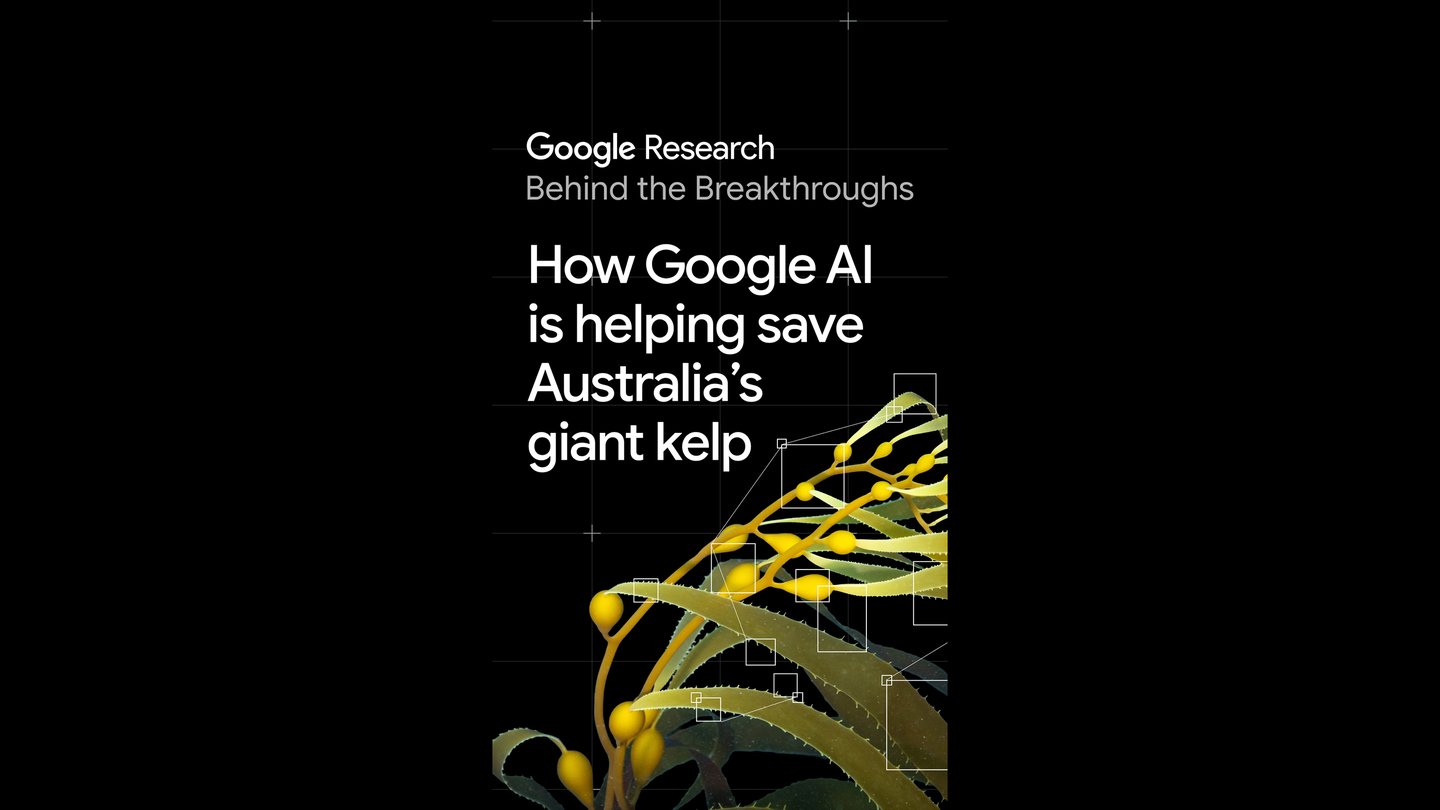
Giant kelp forests are crucial for coastal protection, providing habitat and sustaining marine ecosystems. However, these underwater forests are facing a significant threat due to rising ocean temperatures, which have led to dramatic declines in their populations worldwide.
Collaborative Efforts for Conservation
In light of the pressing need for conservation, Google has teamed up with Australia’s national science agency, CSIRO, to leverage artificial intelligence and genomics in the fight to restore giant kelp forests. This partnership aims to develop innovative solutions to combat the effects of climate change on these vital ecosystems.
Groundbreaking Genomic Research
The collaboration has yielded impressive results, including the publication of two high-quality reference genomes for Australian giant kelp. These genomic sequences provide a critical foundation for ongoing conservation genetics work, allowing researchers to better understand the genetic diversity and resilience of these organisms.
- Genomic Sequencing: The team utilized a version of Google’s open-source AI tool, DeepVariant, to analyze the DNA of giant kelp.
- Specimen Collection: Researchers sequenced DNA from 600 wild specimens gathered from 40 different locations along the Tasmanian coastline.
- Population Decline: Current populations of giant kelp in these areas have dwindled to just 5% of their historical numbers.
Innovative Techniques in Restoration
Alongside genomic analysis, the research team is conducting lab-based cross-breeding studies. These studies aim to produce a new generation of giant kelp that is not only diverse but also heat-tolerant, enhancing their chances of survival in a warming ocean.
This comprehensive approach is designed to ensure that the replanted kelp forests are resilient and capable of thriving despite the ongoing challenges posed by climate change.
Looking Ahead: The Future of Kelp Forests
The efforts to restore giant kelp forests are part of a larger initiative known as Google Australia’s Digital Futures Initiative. By harnessing cutting-edge technology and research, this initiative seeks to pave the way for sustainable solutions to environmental challenges.
As the world gathers for COP31, the importance of such collaborative efforts cannot be overstated. The integration of AI and genomics in conservation efforts represents a promising frontier in environmental science, one that could hold the key to revitalizing not only giant kelp forests but other threatened ecosystems as well.
In conclusion, the partnership between Google and CSIRO exemplifies how technology can drive meaningful change in our approach to conservation. By focusing on innovative techniques and collaborative research, there is hope for the future of giant kelp forests and the myriad species that depend on them.
Source for the original facts: Original source.