Exploring the Innovations of Android 17: A New Era of Adaptive Technology

Today marks the official launch of Android 17, which is now available for most supported Pixel devices. As we look forward to new devices equipped with this latest version in the upcoming months, it’s clear that Android 17 signifies a pivotal transition towards an intelligence-driven system that places applications at the forefront.
Adaptive-First Development Standard
Android 17 introduces a mandatory large-screen resizability feature, emphasizing an adaptive-first development standard. This evolution is set to enhance user interactions by delivering next-generation privacy, security, media, camera capabilities, and overall performance. Developers are encouraged to leverage these advancements for creating applications that are not only functional but also engaging.
Deep Integration with AI
One of the most notable aspects of Android 17 is its deep integration of hardware, software, and artificial intelligence. This integration transforms Android from a mere operating system into a comprehensive intelligence system. The focus is on delivering helpful experiences that anticipate user needs, thereby fostering greater engagement with applications.
To support this transition, Android 17 expands the capabilities of AppFunctions—a platform API complemented by a Jetpack library. This feature allows developers to contribute their app’s unique capabilities as orchestratable tools for Android’s Model Context Protocol (MCP). AI agents, such as Google Gemini, can discover and execute these AppFunctions to streamline workflows on behalf of users, utilizing direct access to the app’s local state.
Enhanced Development Tools
The Jetpack library, currently in its alpha stage, simplifies the addition of AppFunctions through straightforward class annotations and KDoc comments. Furthermore, an AppFunctions agent skill has been introduced, which analyzes key workflows within applications, auto-generates the necessary Kotlin code, optimizes KDocs for large language model tool-calling, and provides ADB commands for testing and debugging.
Currently, Gemini integration is available in a private preview for select testers, but developers can start preparing their apps for this feature. A test agent app is also available, offering an interface to discover and execute app functions while simulating AI agent integration. Developers are invited to join the early access program for a chance to be among the first to deploy AppFunctions in production.
Adapting to Diverse User Environments
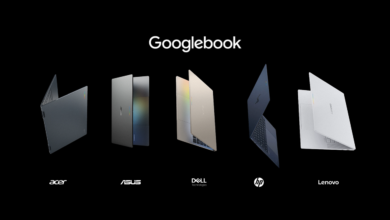
With users increasingly transitioning between various devices—ranging from phones and tablets to laptops and immersive XR environments—Android 17 recognizes the need for applications to adapt seamlessly. Over 580 million large-screen devices are currently in use, and with the upcoming launch of Googlebooks, a new iteration of ChromeOS built on the Android stack, the shift to an adaptive-first standard is not just a technical enhancement but a significant opportunity for developers.
To ensure that apps provide a premium experience across all platforms, Android 17 eliminates the developer opt-out for orientation and resizability restrictions on large-screen devices for apps targeting API level 37. This change mandates that applications must be prepared to adapt to any window size and respect user preferences for device posture.
New Windowing Capabilities and Performance Enhancements
Android 17 introduces powerful windowing capabilities that redefine multitasking. To minimize disruptive state loss and lag, the default behavior for Activity recreation has been updated. Activities will no longer restart by default for common configuration changes that do not necessitate a full UI redraw, allowing for smoother transitions.
Additionally, the new Continue On feature enables users to transition tasks seamlessly between Android devices. Users will receive suggestions for the most recently opened apps on their mobile device within their tablet taskbar, allowing for quick access and deep linking to where they left off.
To further assist developers in adapting to the new requirements, the Jetpack Compose adaptive skill has been launched. This AI-powered workflow tool aids in implementing the best adaptive practices, reinforcing the notion that all Android UI should now be built with Jetpack Compose.
As Android development shifts to a Compose-first approach, legacy View components will enter maintenance mode, receiving only critical updates. Developers are encouraged to utilize the AI-driven XML to Compose Migration Skill for an automated transition of legacy layouts to more adaptive Compose code.
Performance remains a critical focus in Android 17, with improvements aimed at ensuring a smooth user interface, rapid app start times, and effective multitasking. New memory management protocols will enforce strict limits based on a device’s total RAM, helping to maintain optimal performance across all applications.
Source for the original facts: Original source.